

MyNWS with a Fresh Look
Out with the old, in with the new! After already reworking the branding and design of NETWAYS Web Services last summer, this week we released a completely renewed version of MyNWS: more modern, more intuitive to use, and with more features than before. We’re curious to hear what you think!
Beyond that, there’s the usual mix of topics: sovereign clouds and why a migration might be easier than you think, pitfalls when working with Kubernetes, and insights into our annual team weekend.
Enjoy reading!
News
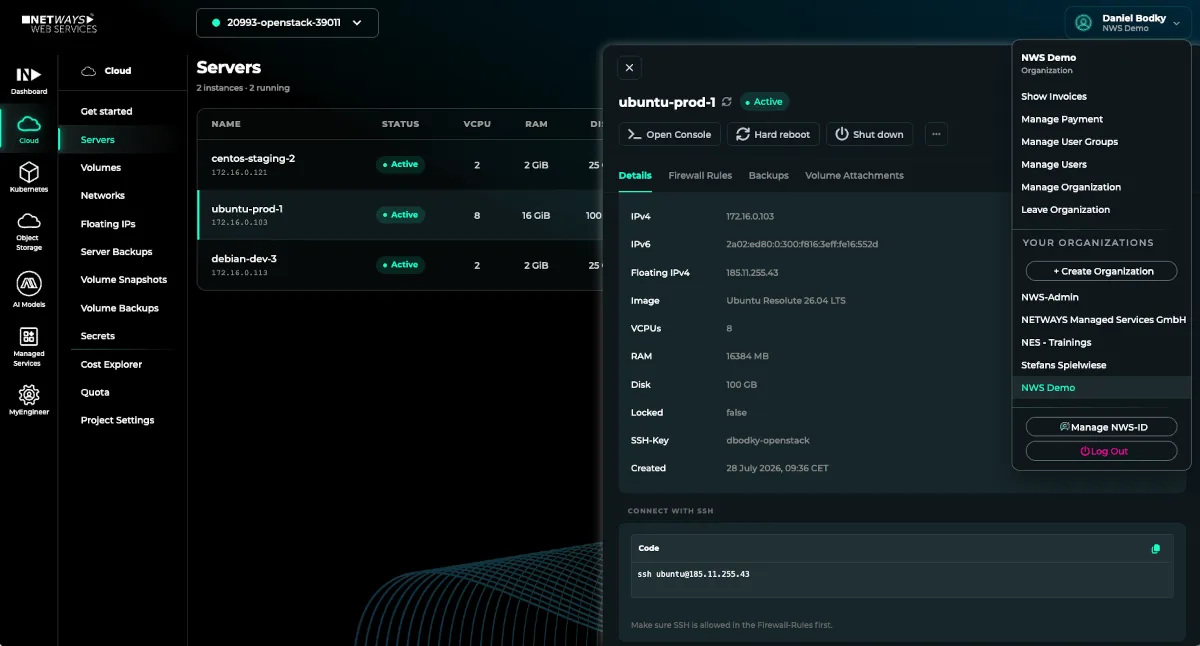
A Fresh Coat of Paint for MyNWS
Almost a year after the redesign of our website, our blog, and this newsletter, we’re following up with a new version of MyNWS. The goal was a visual unification, more intuitive usability, and the ability to offer a number of functions and features that MyNWS could not provide in its previous form.
Now we’re of course eager to hear your feedback - what do you like, what are you (still) missing, and what might we not have thought of at all yet? Feel free to reach out to our team with your thoughts and suggestions!
Blog

Why Boring Can Be Beautiful and Sovereign Clouds Work Just Fine Without 200 Services
As a member of the OpenInfra Foundation, we have spent the past months taking an in-depth look at the topic of sovereign clouds together with other members. The result: several whitepapers on OpenStack best practices, comparisons between hyperscalers and sovereign clouds based on OpenStack, and the occasional blog article. You’ll find all the collected materials on the OpenInfra website.
In this context, Bernd, our CEO at the NETWAYS Group, examined the illusion that often makes a move from one of the hyperscalers to a truly sovereign cloud seem impossible - you’ll find his thoughts on the topic on our blog.

OpenCode at a Glance
This month our colleague Joshua took a look at OpenCode, an AI coding agent similar to Claude Code, for example - but with the option to connect a wide variety of proprietary and open source models. At NWS we now use OpenCode a lot with the Qwen3.6 model via NWS AI.
The article shows you how to configure OpenCode for this scenario so you can rely on a sovereign, privacy-compliant LLM.
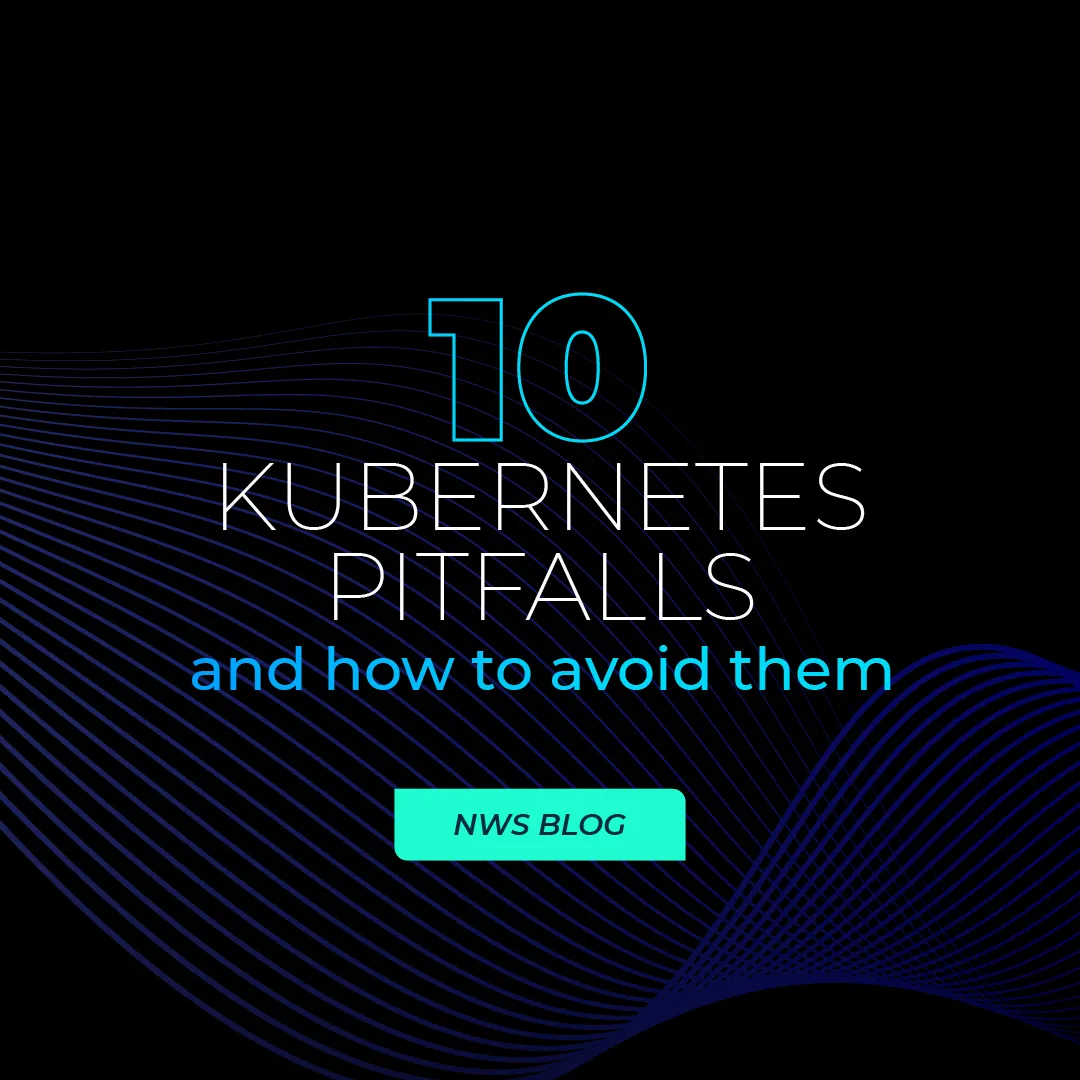
10 Kubernetes Traps and How to Avoid Them
Kubernetes has grown into a huge software project with a vast number of features - that makes it powerful, but for the very same reason there are pitfalls here and there that are worth knowing about.
Our colleague Nadine looked at 10 common sources of problems and summarized them for you.
Team

The NWS Team on Tour
At the beginning of July, NETWAYS Web Services headed off to our annual team weekend - this time in summery Bamberg.
Alongside team building and workshops around our products, there was of course plenty of room for other activities: a stroll through the city, an evening visit to Bamberg’s famous beer cellars, or an extended round of footgolf the next day - there was something for everyone.
We naturally took our ideas and experiences back to Nuremberg with us, and we’re looking forward to pushing NWS forward next year!
Reading Corner
This month, our link collection features case studies from Netflix, tips for getting really good at working with Kubernetes, and a look at the evolution of observability, among other things.
- Daniel looked into how he can get even better at working with Kubernetes:
How to Become Ridiculously Good at Kubernetes - Justin read up on the use of Kueue for batch jobs at Netflix:
How Netflix Simplified Batch Compute with Kueue - Dominik found these insights into the “origins” of the three pillars of observability interesting:
The Three Pillars of Observability: A History No One Planned - Sebastian found a few tips on agent skills for test-driven development:
My Agent Skills for Test-Driven Development
CLI Quick Win
TCP Sockets in Bash
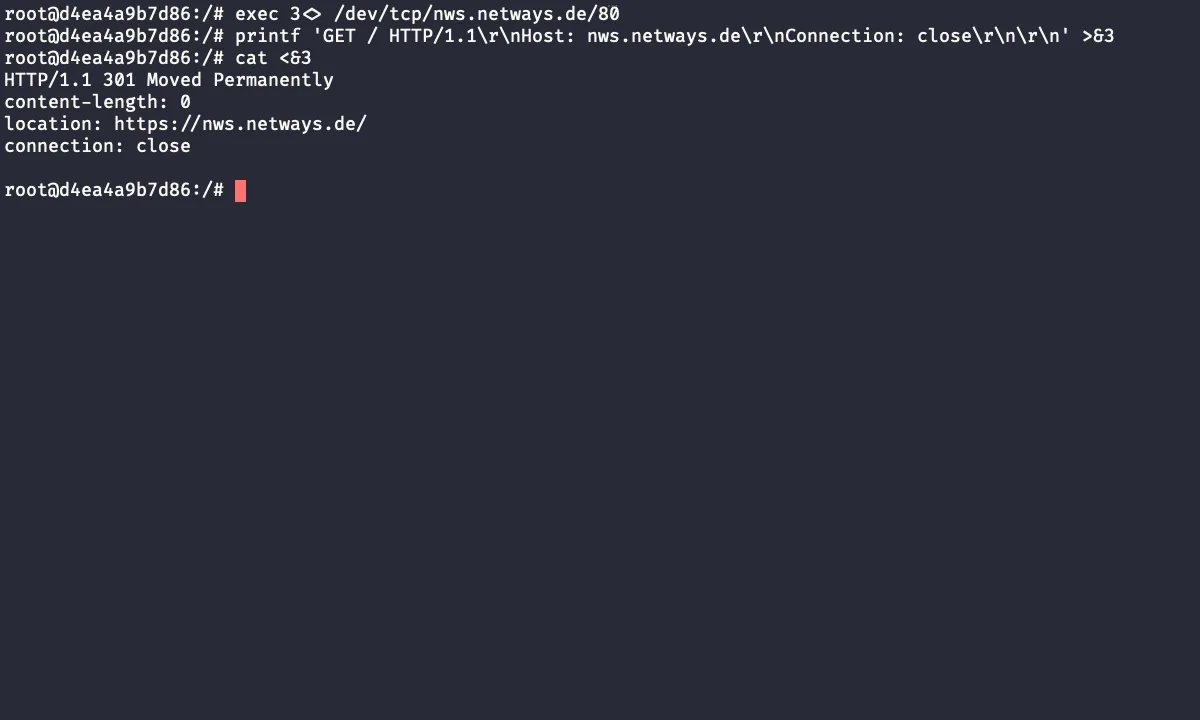
Have you ever been in a situation where you had to send an HTTP request in an environment without cURL? For example,
to check network connectivity from inside a container that didn’t have cURL installed?
Then it might be interesting for you to know that Bash itself is capable of opening a TCP socket, which you can then use to send simple HTTP requests. It’s important to know that Bash is not a proper HTTP client - chunking, streaming, and so on are not supported, and HTTPS doesn’t work either. For a “quick and dirty” test, though, it can definitely be useful.
For this feature, you use an imaginary device file path in the form /dev/tcp/<hostname>/<port>. Have fun trying it out!

You made it to the end of this newsletter!
If you have any questions, don't hesitate to get in touch!
Or reply directly to this newsletter - I read every mail!
Until next month,
Daniel & the NWS-Team


