
Predictable AI Spending and Kubernetes Tips for Starters
After a hectic October full of trade fairs, conferences, and news about NWS, things have quieted down a bit for us in November. The first gingerbread has appeared in the office kitchen, punch and mulled wine are already on the shelves, and so we are officially kicking off the (pre-)Christmas season with this newsletter.
Enjoy reading!
Product News
More control over AI spending with dashboards and quotas
AI and LLMs are here to stay: whether in chat bots, integration into developer IDEs, process automation, or direct integration into your own software, their use is on the rise. This makes it all the more important to have reliable, GDPR-compliant offerings such as NWS AI and good cost overview and control.
We have made improvements in this area this month: in MyNWS, you can now find an overview of your token usage and the costs incurred. In the near future, it will also be possible to set dedicated usage quotas for API keys, giving you even more control over your spending.
Blog
Introduction to Kubernetes
In our blog this month, my colleague Nadine explains when Kubernetes is indispensable: as an open-source platform, it automatically coordinates container applications, ensures reliability, dynamic scaling, and high flexibility. This means faster time to market and lower infrastructure costs—in the cloud or in your own data center.
You can find more insights in our article What is Kubernetes? An introduction for decision-makers.
The most important tools for getting started with Kubernetes
Whether you already use Kubernetes or have just learned about it through Nadine’s introduction, the range of solutions available is vast. That’s why Nadine has summarized some important tools for getting started in another blog post, so you can take your first steps right away without having to do extensive research.
Reading Corner
Cold weather, hot drinks, cookies, and gingerbread can only mean one thing: more time to read! So this month, we’re bringing you an extra-long list of web finds about vibecoding, our favorite programming languages, tips and tricks for Git, and much more.
- Daniel has addressed the urgent request to please not vibecode unit tests:
Stop Vibe Coding Your Unit Tests - Justin found a fantastically illustrated article on Golang’s new garbage collector Green Tea:
The Green Tea Garbage Collector - Dominik continues to diligently check in code for MyNWS in GitLab – now with new tricks:
21 Git Commands for Software Engineers - Gabriel took a fascinating deep dive into bucket forking in object storage architectures:
Immutable by Design: The Deep Tech Behind Tigris Bucket Forking - Achim is no longer sure how many pillars of observability he should set up:
How Many Pillars of Observability Can You Fit On the Head of a Pin? - Sebastian also wishes for 10 million users for Christmas:
How Reddit Delivers Notifications to Tens of Millions of Users
CLI Quick Win
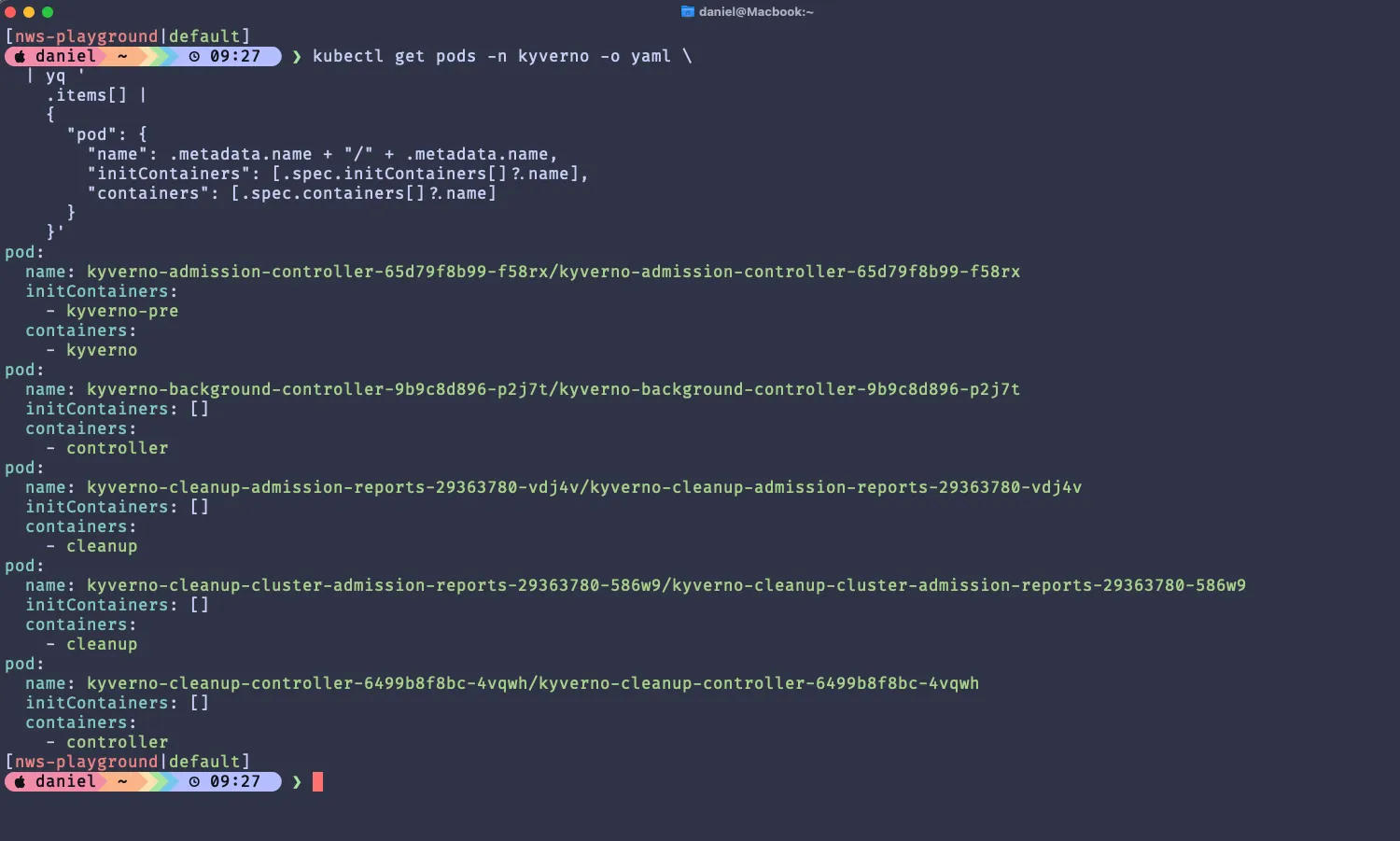
jq and yq
This month, we’re introducing you to two true Swiss Army knives of our everyday lives: jq and yq.
These tools enable you to process, filter, and display JSON (jq) and YAML (yq) – indispensable in everyday life with Kubernetes, Docker, and CI/CD pipelines. Installation instructions for jq and yq can be found in the respective GitHub repositories.

You made it to the end of this newsletter!
If you have any questions, don't hesitate to get in touch!
Or reply directly to this newsletter - I read every mail!
Until next month,
Daniel & the NWS-Team


